
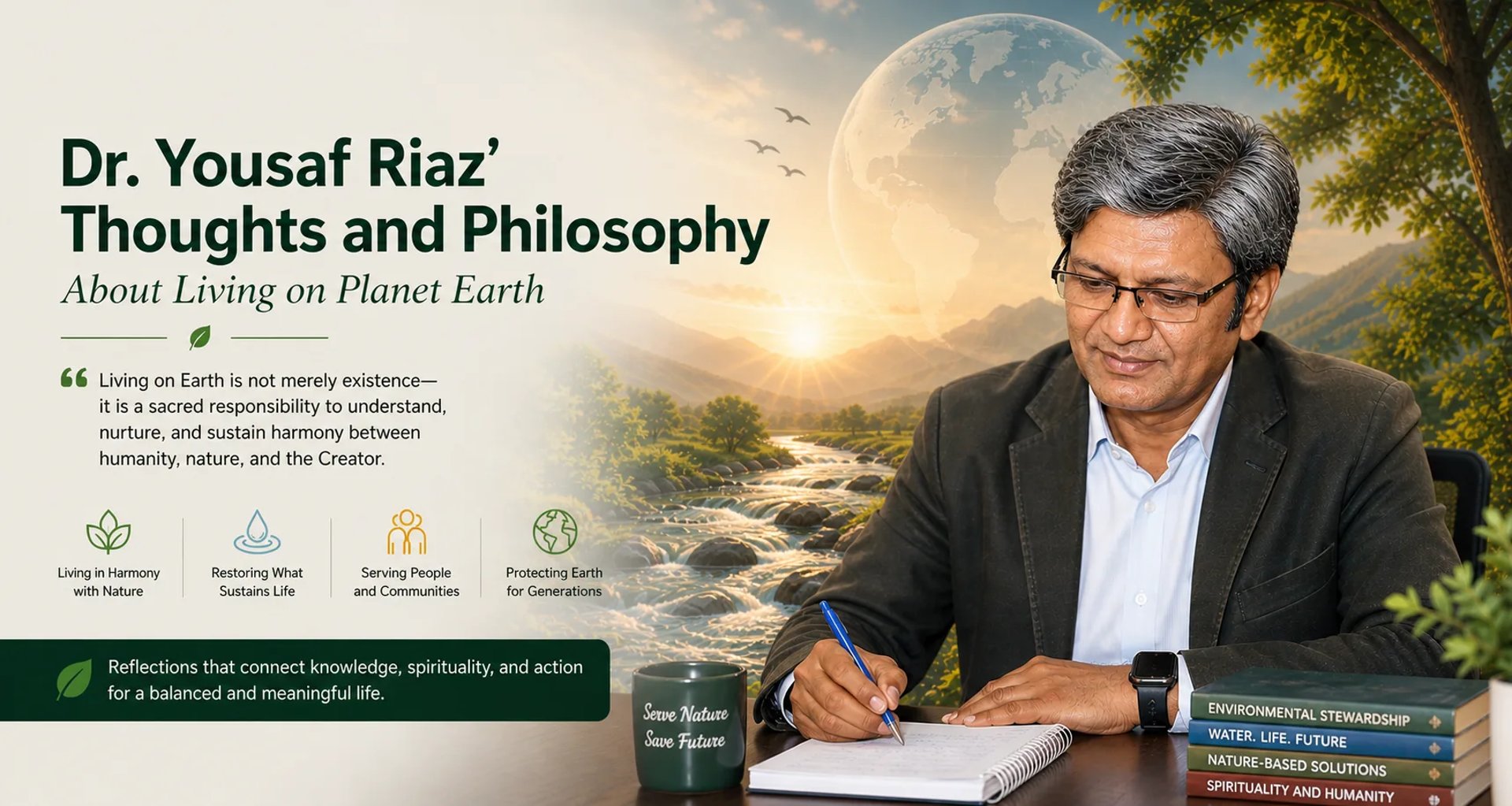
Drawing from years of work in environmental restoration, particularly in water and ecosystem health, these insights highlight the importance of integrating knowledge across disciplines. Dr. Yousaf Riaz’s work emphasizes that sustainable solutions emerge when science, wisdom, and responsibility come together.
Learning from Creation to Build a Better Earth
The Insights Page reflects a journey of learning, discovery, and thoughtful observation. It captures the evolving understanding of how human actions influence the natural world—and how informed decisions can restore balance.
This space encourages reflection, dialogue, and action—inviting individuals and institutions to move from awareness to meaningful contribution for the well-being of people and the planet.
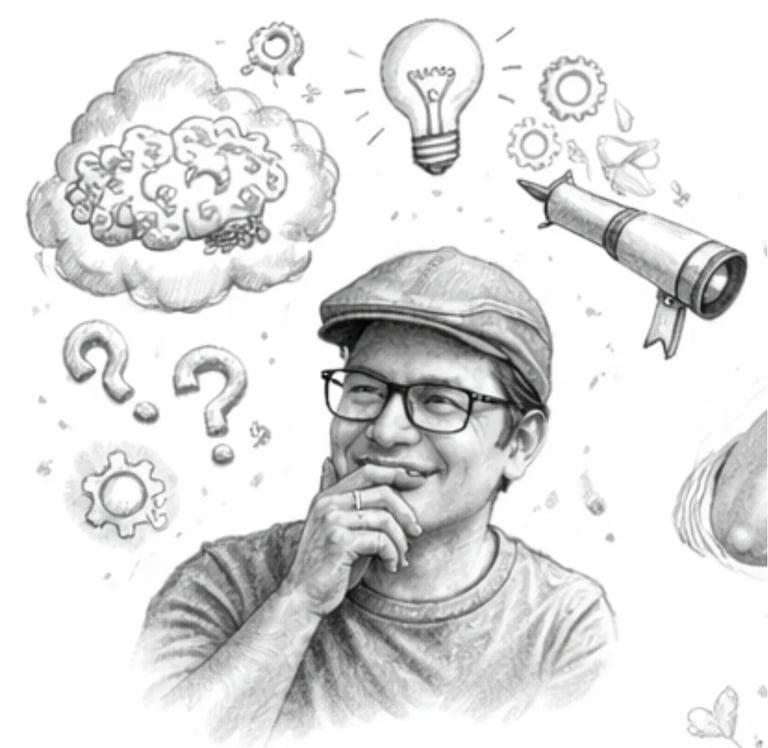
...Harnessing Dr. Yousaf Riaz’s Knowledge and Experience for the Betterment of Creation/Humanity...
Vision/Mission
Dr Yousaf’s Contemplations on Life and Its Interconnectedness with the World Around Him...
Thought Process
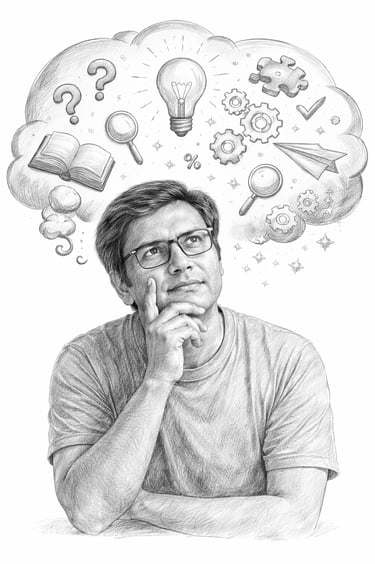




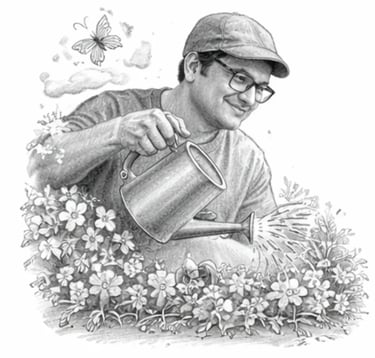
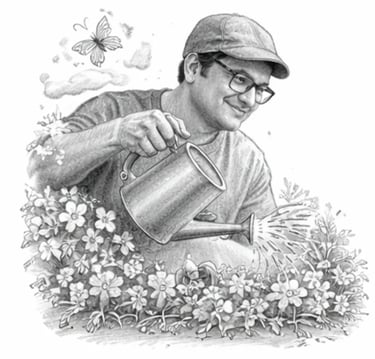


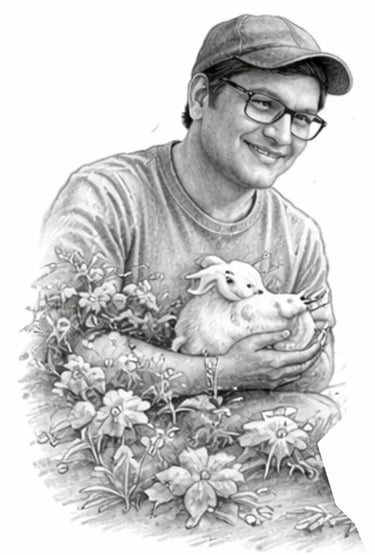
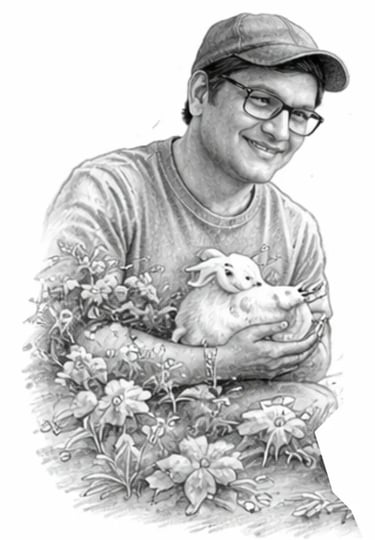
Dr Yousaf was blessed with the rare opportunity to perceive and understand the profound harmony that exists among all forms of creation on planet Earth. This harmony extends far beyond human relationships and reveals an interconnected system where every living being—plants, animals, birds, aquatic life, and humans—plays a meaningful and balanced role.
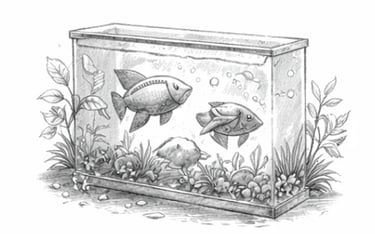
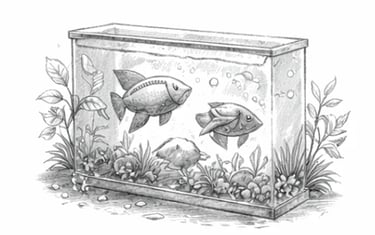
In today’s world, much of the conversation around harmony is limited to interfaith dialogue, social cohesion, or geopolitical balance among nations. While these are important, they reflect only a narrow dimension of harmony—one that is centered primarily on human interests. Human society often measures progress through economic growth, technological advancement, and resource utilization. Even when attention is given to soil health, agriculture, or animal sciences, it is frequently driven by the objective of increasing productivity and commercial gain.
Philosophical Insights
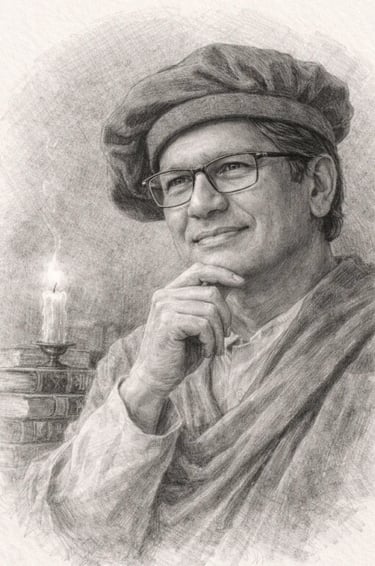
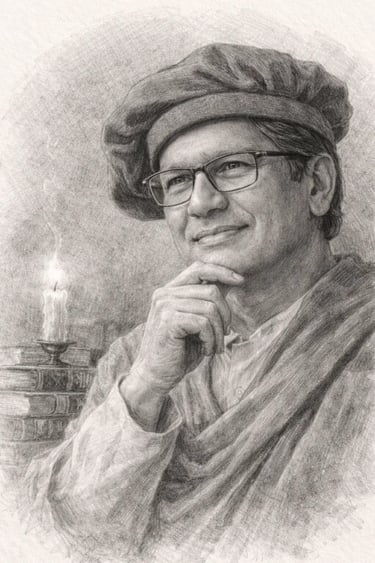
Dr Yousaf Riaz presents a philosophical vision in which human life is inseparable from the broader community of creation. He understands humanity not as the centre of existence but as a responsible participant entrusted with stewardship over the Earth and its living systems. His thought challenges the prevailing model of development that prioritizes human gain while neglecting the rights and balance of plants, animals, water, and soil. Instead, he advocates for a harmonious coexistence where every creature is allowed to live, grow, and contribute to the shared ecosystem.
Social & Political Perspective
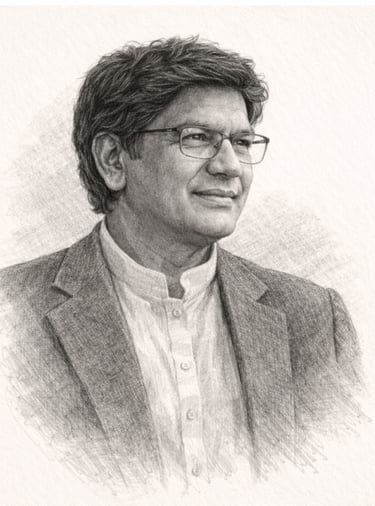
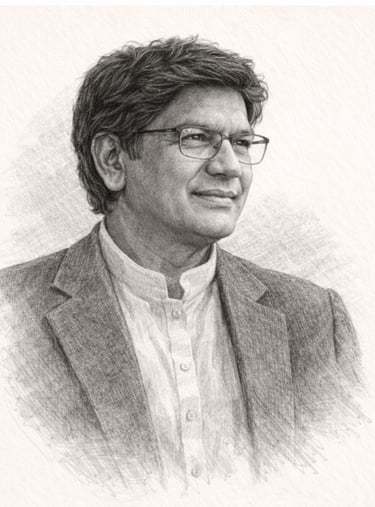
Dr Yousaf Riaz presents a social and political vision in which human progress must be redefined through justice, inclusion, and harmony with all creation. He critiques development models in Pakistan and globally that prioritize short-term economic gains while neglecting ecological balance and the rights of vulnerable communities and other living beings. In his view, governance should integrate environmental stewardship, social equity, and ethical responsibility as core pillars of policy-making. He emphasizes that poverty, inequality, and environmental degradation are interconnected challenges that require collective, value-driven solutions.
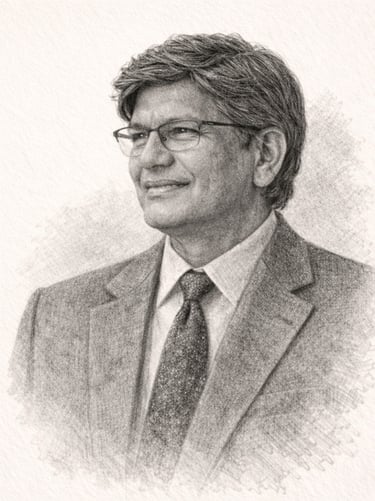
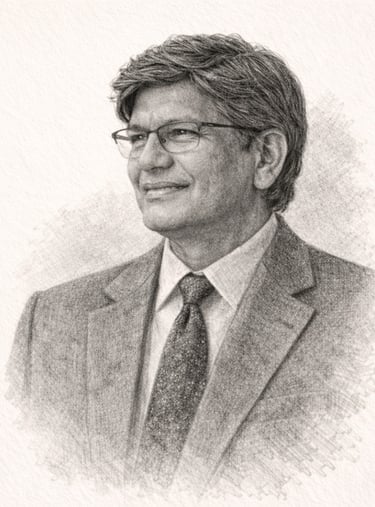
An Economist's Insights
The science of economics is not limited to financial systems—it is a foundational principle that sustains life on Earth. Every natural system reflects an inherent economic design where resources are efficiently utilized, waste is minimized, and balance is maintained.
By observing creation, we discover that sustainability is achieved through harmony between production, consumption, and regeneration. This integrated system ensures continuity of life while preserving the beauty of the natural world.
Dr. Yousaf Riaz applies this principle by embedding economic efficiency into every initiative—
transforming ideas into sustainable, practical, and scalable solutions.
Scientific Perspective
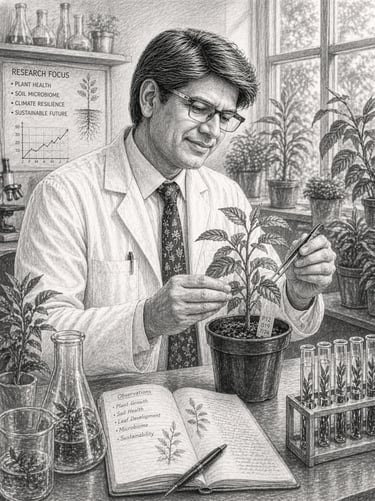
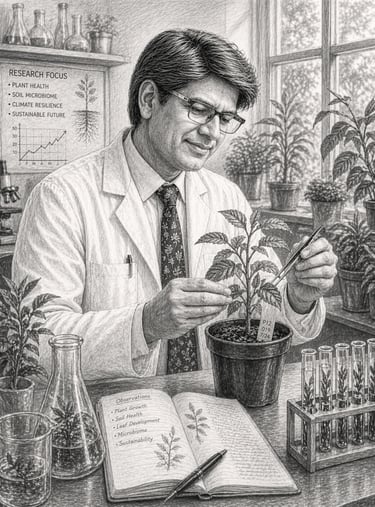
Dr. Yousaf Riaz views Creation Care as a scientifically grounded system that sustains the life processes of Earth through balanced productivity, efficient resource utilization, and continuous regeneration. In his perspective, the Earth is not a random assembly of resources but a highly organized, interdependent system where every component contributes to the continuity of life.
At the core of this system lies a natural productivity model—driven by energy flow, nutrient cycling, and ecological interactions. Plants convert solar energy into biomass, forming the foundation of all food systems. Consumers utilize this energy, while decomposers recycle organic matter back into the system. This closed-loop structure ensures that resources are neither wasted nor permanently lost.
A Theological Reflection
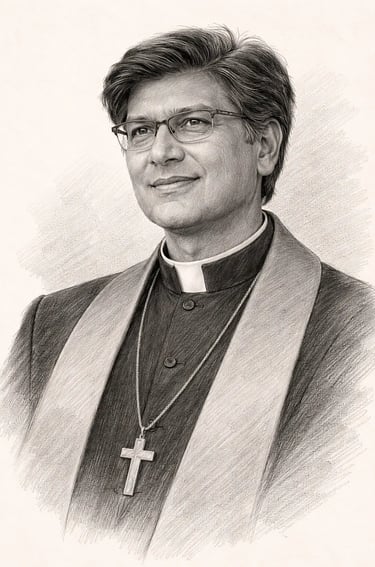
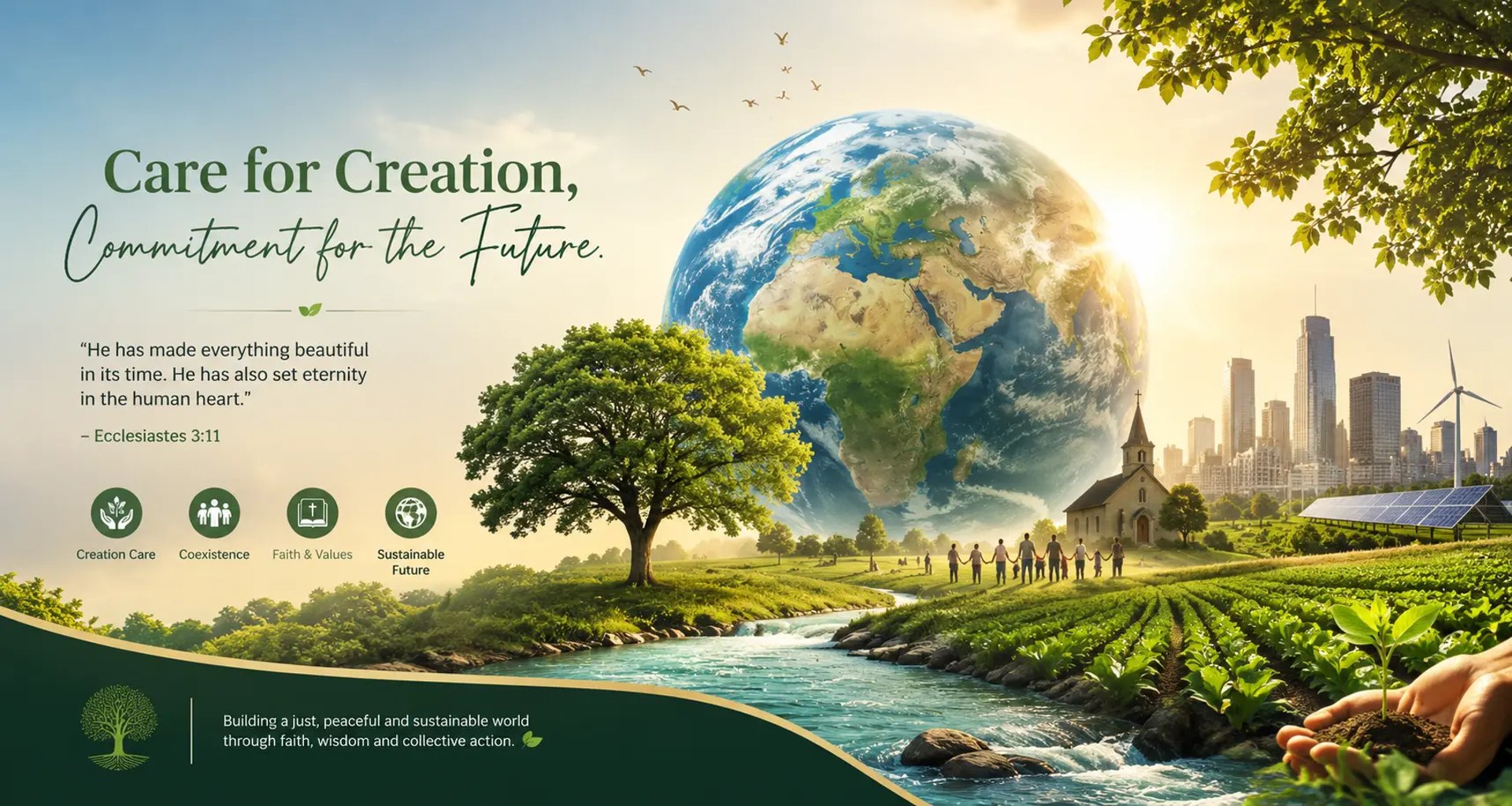
Creation Care is not merely an environmental concern—it is a deeply theological calling rooted in humanity’s relationship with God, creation, and one another. From the opening chapters of The Bible, creation is presented as inherently good, purposeful, and sustained by the will of the Creator. Humanity is entrusted with a sacred responsibility—not of exploitation, but of stewardship.
In Genesis 2:15, humanity is placed in the garden “to till it and keep it", reflecting a dual mandate of productivity and preservation. This establishes stewardship as both a privilege and a responsibility. Creation is not owned by humanity; it belongs to God, and humans are appointed as caretakers within a divinely ordered system.
Giving Creation Voice through Green Journalism
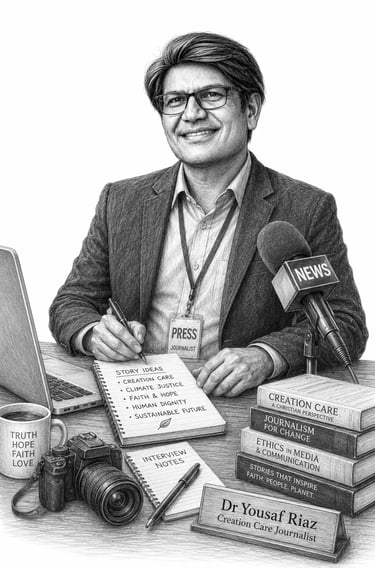
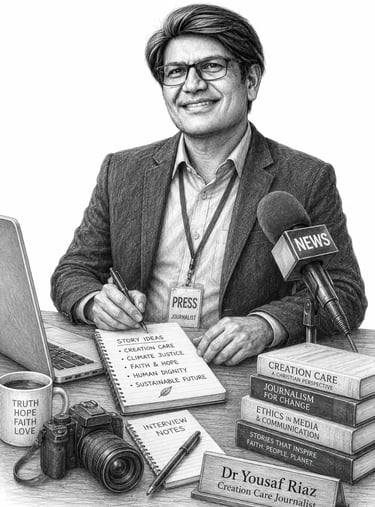
Dr. Yousaf Riaz is a voice for Creation Care, using journalism and writing as tools to inspire humanity toward responsible stewardship of God’s creation. Through his words, research, and storytelling, he highlights the deep connection between faith, humanity, and the environment.
As a Creation Care journalist and writer, he brings attention to issues of water, sustainability, climate resilience, coexistence, and human dignity—encouraging communities to move from awareness to action. His writings reflect hope, compassion, and a commitment to building a greener, more peaceful, and sustainable future.
He believes that journalism is not only about reporting events, but also about awakening hearts and minds to protect life, restore nature, and honor the Creator through caring for His creation.
...anytime, anywhere—Yousaf is ready to answer your call in service of Creation...

© 2025. All rights reserved.
+92-313-1510171
Messages only
contact@yousaf-riaz.me